



ifo Dresden / HWWI: Measured Against Working Hours, Rents in Germany Barely Increased
Housing rents in Germany have not become more expensive since 2004, measured in terms of working hours. In 2025, employees had to work an average of 23.8 minutes per month for one square meter of rental housing, slightly more than in 2004, when the figure was 24.4 minutes. This is shown by a new calculation from the ifo Institute and the Hamburg Institute of International Economics (HWWI), based on data from bulwiengesa GmbH. “Anyone who looks solely at rising rents overlooks the fact that incomes have also risen significantly,” says Marcel Thum, Director of the ifo Dresden Branch. “The decisive factor is whether incomes are rising faster than housing costs.”
Michael Berlemann, Research Director at the HWWI, does point out an important aspect, however: “National averages mask substantial regional differences: While housing has become less expensive in much of eastern Germany, it has become more expensive in Berlin and in southern and northern regions.” At the local level, between 2004 and 2024, the amount of working time required to pay rent fell by more than 5 percent in 188 of 382 districts, particularly in eastern Germany. In 73 districts, it increased by more than 5 percent, including in Berlin and in individual regions in the south and north. In Leipzig, for example, rent increased by 77.4 percent, while the net hourly wage increased by 102.9 percent; the work time required therefore fell by 12.6 percent.
Unlike renting, buying a home today requires more effort than it did just over 20 years ago. Average purchase prices have more than doubled since 2004, from around EUR 1,435 to EUR 2,989 per square meter. Because net wages also rose sharply, the number of required working hours has seen a much smaller increase: In 2025, around 116 hours of work were needed per square meter, 11.6 percent more than in 2004. Regionally, the disparity in the number of hours required to purchase a home is even more pronounced than for rent: Between 2004 and 2024, the number of hours required fell by more than 5 percent in 63 of 76 eastern German districts (including Berlin), while it rose by more than 5 percent in 174 of 306 western German districts, particularly in Bavaria and Baden-Württemberg.
Questions can be directed to:
Prof. Marcel Thum, 0049 351 264 76-19, thum@ifo.de
Prof. Dr. Michael Berlemann, 0049 151-10688281, berlemann@hwwi.org
Press Contact
Contact

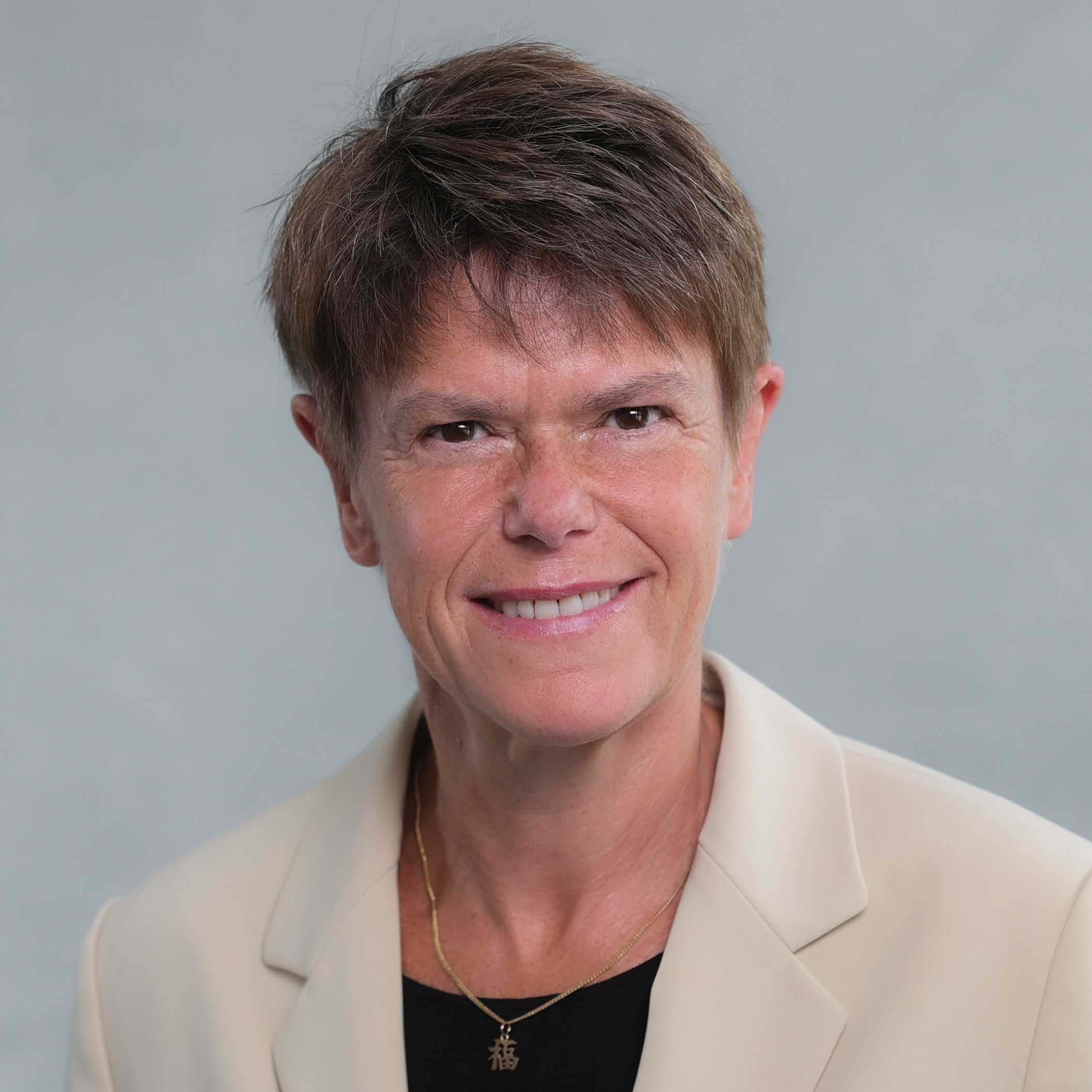
Prof. Dr. Michael Berlemann
Scientific Director
+49 1511 0688281
berlemann@hwwi.org